
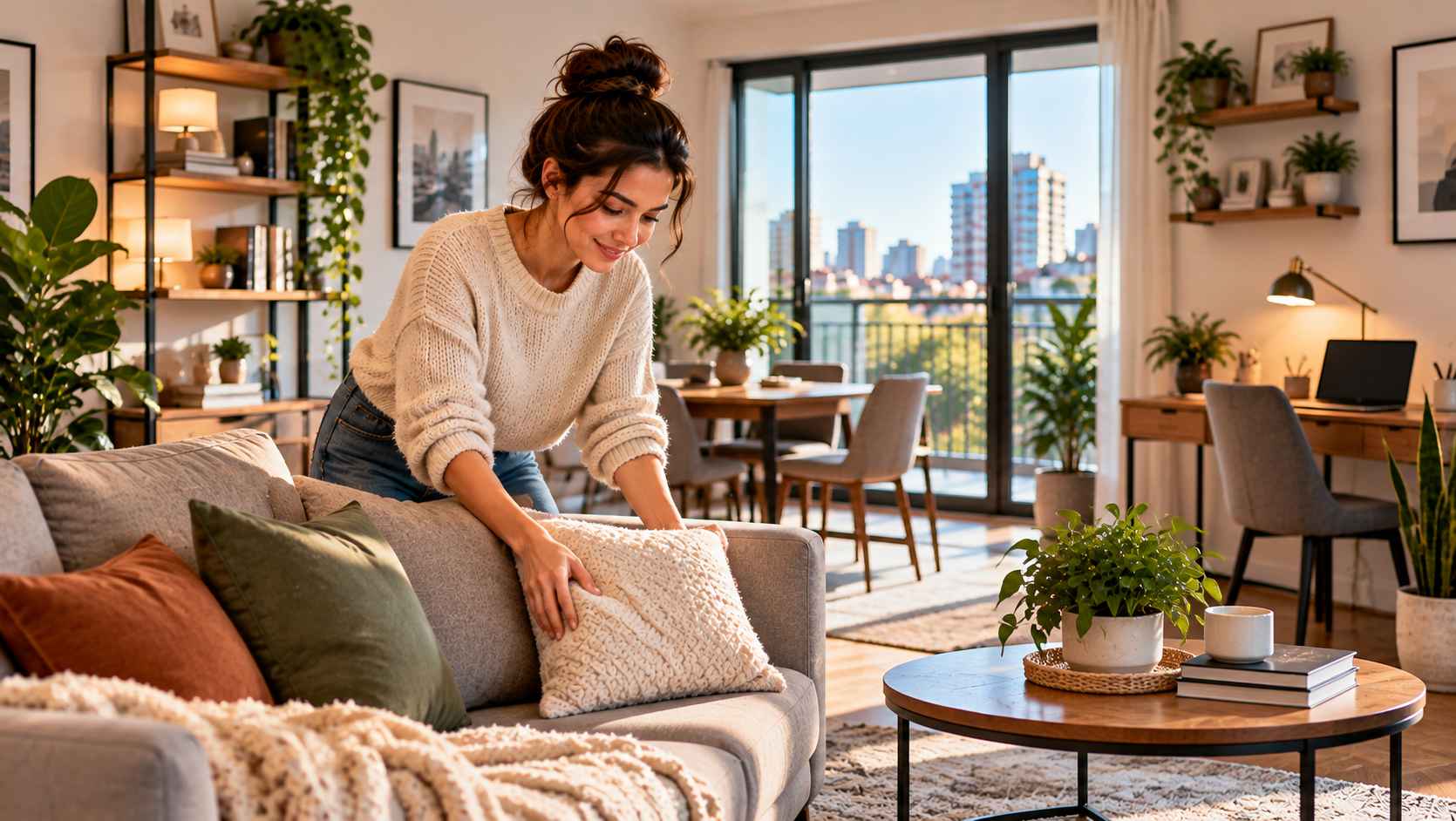
Moving into an apartment can create an immediate urge to make everything feel finished. New furniture gets pushed into place, storage boxes are unpacked, and decorations appear on every available surface. Yet a comfortable home does not necessarily come from filling the space quickly. It often comes from understanding how the apartment works and making small adjustments that support everyday routines.
The most useful changes are usually practical. A better furniture layout, a well-organized entryway, improved lighting, or a dedicated place for work can make an apartment easier to live in without requiring major alterations. For renters, the goal is to create a home that feels functional while respecting the limits of the property.
Start With How You Actually Use the Space
Before buying furniture or reorganizing rooms, spend some time observing how you move through the apartment.
Where do you naturally drop your keys? Which area becomes cluttered first? Do you eat at a dining table, at a kitchen counter, or on the sofa? If you work from home, where can you comfortably sit for several hours?
These questions may seem simple, but they reveal more about the apartment’s practical potential than a shopping list does.
Try to organize furniture around movement rather than simply placing pieces against walls. Leave comfortable pathways between frequently used areas, and avoid blocking doors, windows, heating equipment, or other essential features.
A layout that looks attractive but makes daily movement awkward will quickly become frustrating.
Create Zones Without Building Walls
Smaller apartments do not always have enough rooms for every activity to have its own dedicated space. Instead, renters can create informal zones within a larger room.
One corner might become a work area, another could be used for reading, while the main portion of the room remains dedicated to relaxing or entertaining.
The separation does not need to involve permanent construction. A bookshelf, area rug, floor lamp, compact desk, or carefully positioned sofa can visually define different functions.
This approach can also make a room feel more organized without making it feel crowded. The key is to give each area a clear purpose while keeping the overall layout flexible.
Use Vertical Space More Effectively
When floor space is limited, look upward.
Tall shelving, wall-mounted organizers where permitted, hooks, and other vertical storage solutions can help keep frequently used items accessible without taking up valuable floor area.
Renters should be careful with anything that requires drilling or permanent attachment. Always check the lease and speak with property management when necessary before making changes to walls or other parts of the unit.
Even without permanent modifications, there are many ways to use vertical space. Freestanding shelves, over-the-door organizers, tall cabinets, and stackable storage can help make better use of areas that might otherwise remain unused.
The goal is not simply to add more storage. It is to make important items easier to find while keeping everyday surfaces clear.
Make the Entryway Work Harder
The entrance to an apartment often becomes a collection point for shoes, coats, bags, mail, keys, and other items.
A small amount of organization here can make the entire apartment feel more manageable.
Consider creating a simple landing area for everyday essentials. A tray can hold keys and small items, while a compact shoe rack or storage bench can help prevent footwear from spreading into the living area.
Seasonal items can also be rotated. Heavy winter accessories do not need to occupy the most convenient storage space during warmer months.
A functional entryway reduces the amount of decision-making required when leaving or returning home, which is particularly useful during busy mornings.
Improve Lighting Without Major Changes
Lighting can have a significant effect on how comfortable an apartment feels.
Instead of relying entirely on one overhead fixture, renters can use a combination of floor lamps, table lamps, task lighting, and other removable options.
Think about the activities that take place in each area. A reading corner needs different lighting from a desk, kitchen work surface, or television area.
Warmer, softer lighting may suit relaxing spaces, while brighter task lighting can be useful where concentration or detailed work is required.
Again, the objective is not to install more lights simply for decoration. It is to make the existing space easier to use at different times of day.
Set Up a Work Area That Can Adapt
For renters who work or study from home, a dedicated workspace can make a major difference even when there is no spare room available.
A small desk can work well, but the surrounding setup matters too. Think about access to electrical outlets, lighting, seating, storage, and the amount of background activity in the area.
If the apartment is shared, consider how easily the workspace can be separated from the rest of the household during working hours.
In a smaller home, flexibility is especially valuable. A desk that can serve as a study area during the day and another useful surface later may be more practical than a large workstation designed for one purpose.
Keep the Kitchen Easy to Reset
A kitchen becomes much easier to maintain when frequently used items have predictable homes.
Rather than keeping every appliance and utensil on the counter, identify which items are genuinely used every day. Store less frequently used equipment elsewhere when practical.
Grouping similar items can also make cooking and cleaning easier. Baking supplies, coffee or tea equipment, cooking utensils, and food-storage containers can each have their own general area.
The same principle applies to the refrigerator and pantry. Regularly checking what is already available can reduce duplicate purchases and make meal planning simpler.
A kitchen does not need to look empty to be organized. It simply needs a system that makes common tasks straightforward.
Make Bathrooms Easier to Maintain
Bathroom storage is often limited, so organization matters.
Use containers or small organizers to keep everyday toiletries together rather than allowing them to spread across every surface. Keep cleaning supplies accessible but stored appropriately, particularly where children or pets are present.
It is also worth developing a quick cleaning routine rather than allowing small tasks to accumulate. Wiping surfaces regularly, keeping products organized, and dealing with minor maintenance concerns promptly can make the room easier to manage.
If something appears damaged or is not functioning properly, renters should follow the property’s normal maintenance process rather than attempting repairs that could affect plumbing, electrical systems, fixtures, or other building components.
Understand the Building as Well as the Apartment
Settling into a new rental involves more than arranging furniture.
Take time to learn how the building operates. Know where to find important information, how maintenance concerns are reported, and which contact should be used for routine or urgent issues.
Renters in professionally managed housing can also benefit from understanding how the broader community operates. For example, those considering Osgoode Properties apartment communities can evaluate not only the apartment itself but also the management structure, building routines, communication process, and overall living environment.
This kind of information can make everyday life smoother because renters know where to turn when a question or maintenance concern arises.
It is also sensible to keep important contact details somewhere easy to access, whether that is a secure digital note, a household document folder, or another system that works for everyone in the home.
Reduce Clutter by Designing Around Routines
Clutter is often less about owning too many things and more about not having a convenient place for the things you use regularly.
Pay attention to what repeatedly ends up on the floor, kitchen counter, dining table, or sofa. Those patterns can reveal where your current organization system is failing.
Instead of repeatedly putting the same item away, consider whether its storage location is practical.
For example, if a household uses a particular item every evening, storing it in a difficult-to-reach cupboard may encourage it to remain on the counter. Moving it to a more convenient location can solve the problem without buying additional storage.
Good organization should reduce effort, not create another chore.
Add Personality Gradually
Once the practical foundation is in place, personal touches become easier to choose.
Artwork, plants, textiles, photographs, books, and decorative objects can make a rental feel personal without requiring permanent changes.
There is no need to buy everything immediately. Living in the apartment for several weeks can reveal which areas actually need improvement.
A corner that initially seemed empty may turn out to be useful as open space. A piece of furniture that looked necessary in the showroom may prove unnecessary once the apartment is being used normally.
Waiting before making every decorating decision can therefore save both money and space.
Keep Maintenance Part of the Routine
A comfortable apartment is easier to enjoy when small maintenance issues do not continually get ignored.
Create a simple habit of noticing loose handles, damaged finishes, sticking doors, unusual marks, or other minor concerns. Not every issue requires immediate action, but keeping track of them makes it easier to decide what needs attention.
Renters should also understand the difference between ordinary household organization and property maintenance. Cosmetic rearrangement and removable storage are generally different from altering fixtures, walls, electrical components, plumbing, or other building systems.
When in doubt, check the lease or ask property management before making a change.
Let the Apartment Evolve With You
The best apartment setup is rarely created in one weekend.
A home becomes more functional as its residents learn how they actually use it. Furniture can be repositioned, storage can be adjusted, and routines can be refined as needs change.
Instead of trying to make every room perfect immediately, focus first on the changes that remove daily friction.
Create a clear entryway. Improve the lighting where you need it. Give frequently used items practical homes. Establish a comfortable workspace. Keep important building information accessible. Then allow the rest of the apartment to develop naturally.
A rental does not need permanent renovations or expensive décor to feel like home. Thoughtful organization, flexible furniture, practical routines, and a little patience can go a long way toward creating a space that supports everyday life.